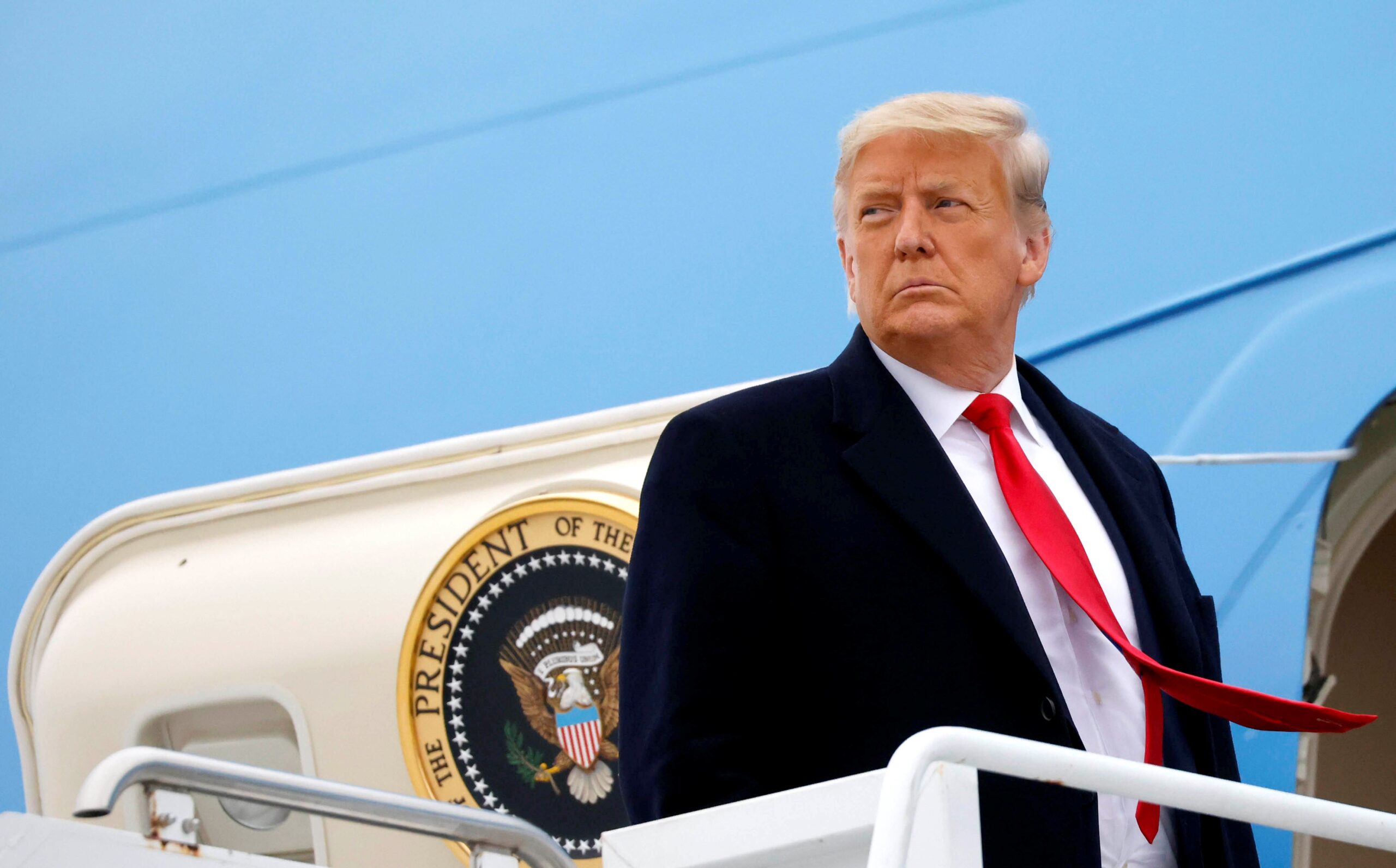
Trump Sues Facebook, Twitter, and Google–Claims Companies are State Actors
On July 7th, former President Donald Trump filed three separate class action lawsuits against Facebook, Twitter, and Google’s YouTube, claiming that the social media platforms censor him and other conservatives.
Federal Judge Blocks Florida’s Social Media Law
On June 30th, the United States District Court for the Northern District of Florida Tallahassee Division granted a request for a preliminary injunction barring Florida from enforcing a new law that substantially limits social media companies' ability to moderate their platforms.
Florida’s New Social Media Law Suffers from Serious Constitutional Flaws
A Florida law signed by Governor Ron DeSantis on May 24, 2021, that regulates what speech social media companies must allow and disallow suffers from serious constitutional problems. It already has been challenged in federal court by NetChoice, a lobbying firm that represents Twitter, Facebook, and other online companies, and Computer & Communications Industry Association.
New Florida Law Takes Aim at Social Media Platforms Over Alleged Censorship
On May 24th, Florida Governor Ron DeSantis signed into law a bill that aims to curb alleged censorship by social media platforms. The new law, SB 7072, levies financial penalties on social media companies for deplatforming candidates for public office, and affords users the opportunity to sue for alleged censorship.
Twitter Sues Texas Attorney General For Violating Company’s First Amendment Rights
The lawsuit claims Texas Attorney General Ken Paxton used his official position to retaliate against the company by issuing a civil investigative demand (CID) seeking documents related to the company’s content moderation policies. Twitter’s lawyers said that Paxton’s actions infringed on the company’s First Amendment right to “make decisions about what content to disseminate through its platform.”

Q&A with Attorney Meenakshi Krishnan on the Future of Knight Institute v. Trump
Two weeks ago, the Trump administration petitioned SCOTUS to review a ruling preventing him from blocking critics from his Twitter account. Knight Attorney Meenakshi Krishnan talks about why his arguments are likely to fail should the Supreme Court decide to take the case.
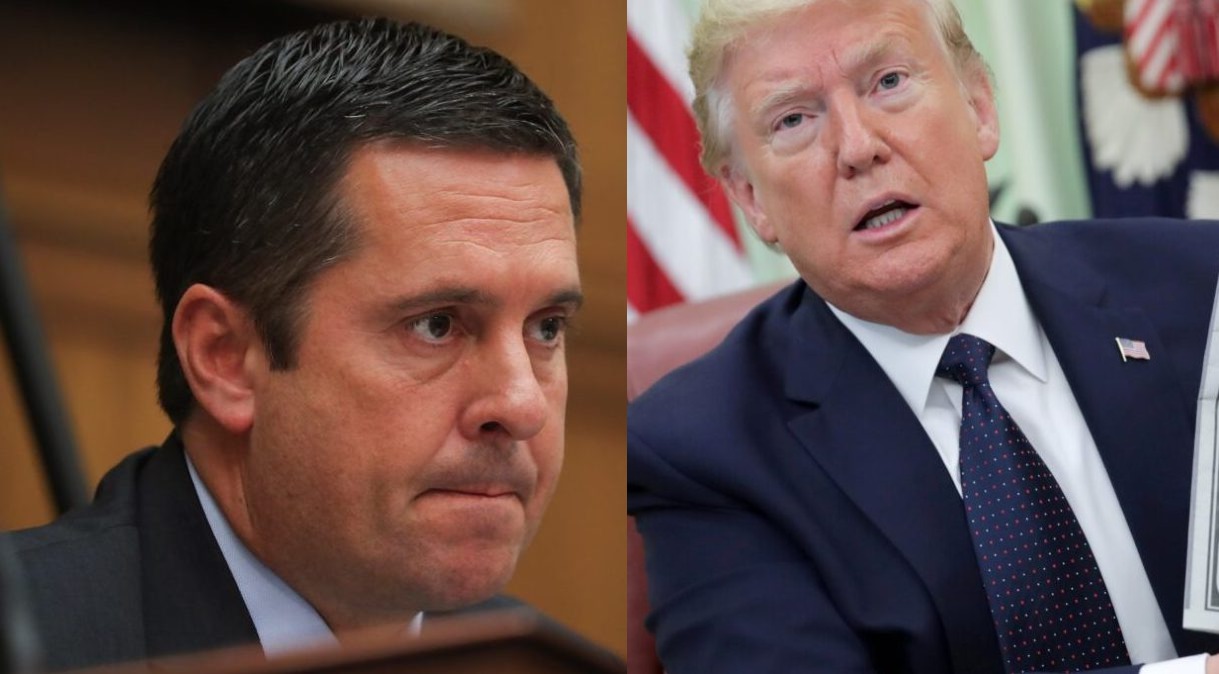
How Trump and Nunes Use Defamation Lawsuits To Silence Their Critics
Public officials using libel suits as a weapon against the press is nothing new. In the time of Times v. Sullivan, southern officials had brought nearly $300 million in libel actions against the press. For reference, Nunes alone has brought just over $900 million in defamation claims in a twelve-month period.
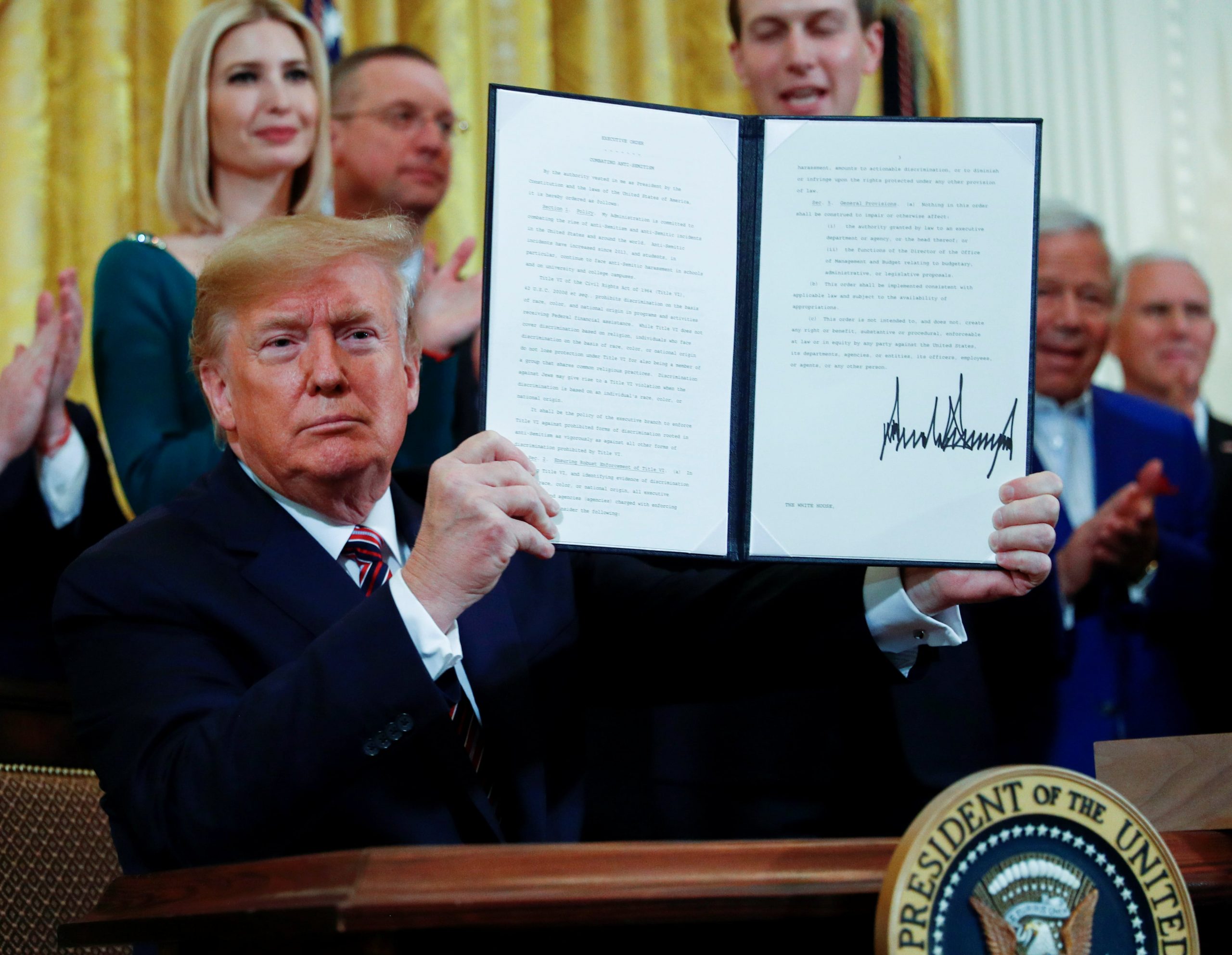
Trump Signs Order Curtailing Protections for Social Media Companies
On May 28th, President Donald Trump signed an executive order that aims to roll back legal protections for social media platforms. His order was immediately met with withering criticism from First Amendment experts.