Susanna Granieri is the senior staff writer at First Amendment Watch and lead researcher on The SLAPP Back Initiative, a first-of-its-kind database tracking strategic lawsuits against public participation. She previously reported on politics and policy for the Albany-based Legislative Gazette and investigated the use of faulty forensic science in death penalty convictions with the Mississippi Center for Investigative Reporting. She is a graduate of SUNY New Paltz and the Columbia Journalism School.

Susanna Granieri
Senior Staff Writer
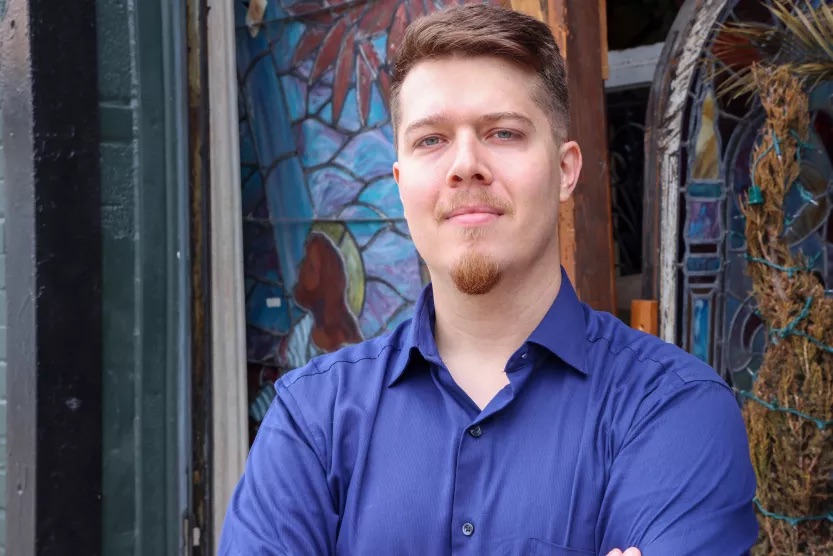
Two FIRE Attorneys on a Defamation Lawsuit Against an Oklahoma Historian
FIRE attorneys Greg Greubel and Sara Berinhout outline the First Amendment issues in the dispute and highlight the importance of anti-SLAPP legislation.
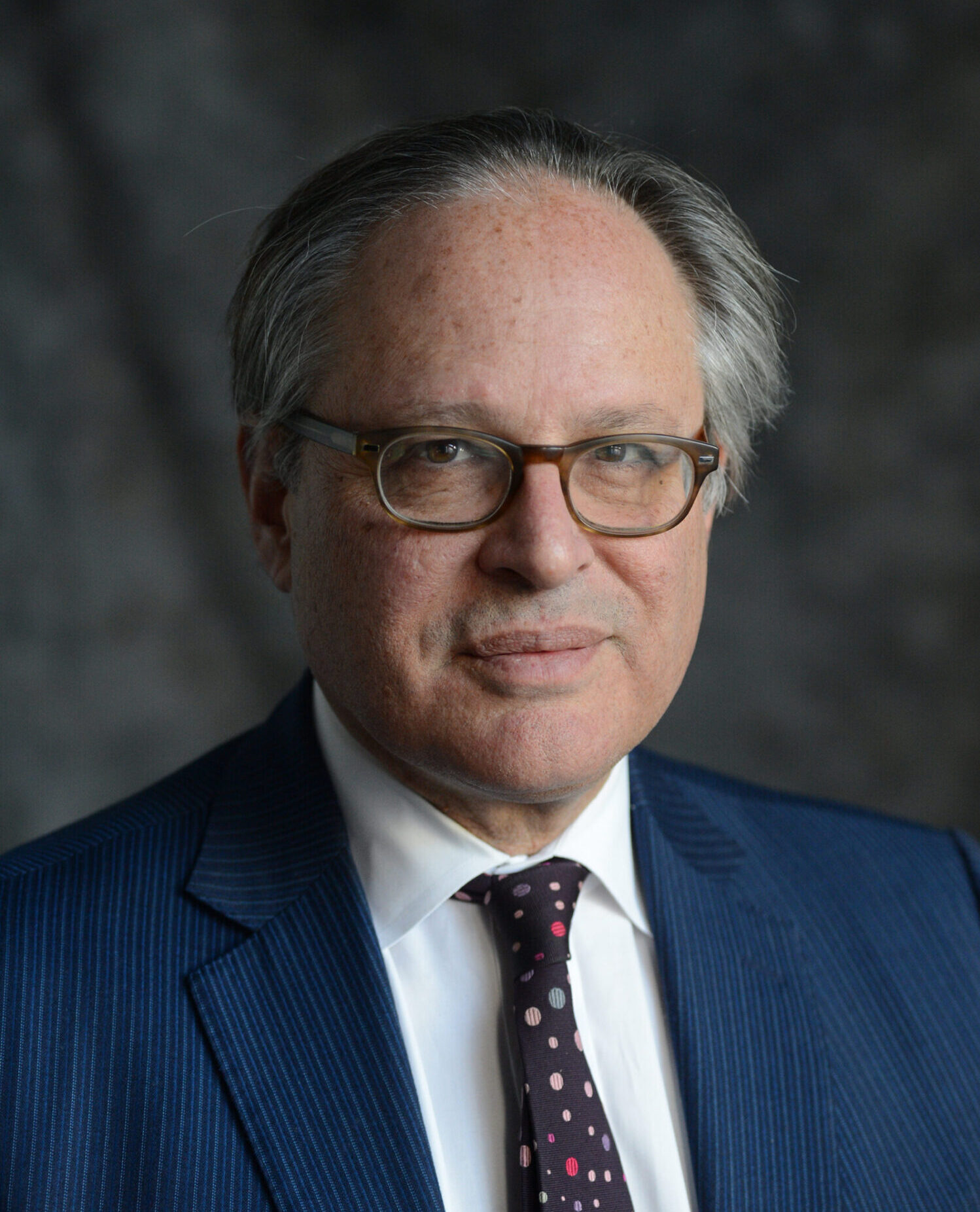
Former Columbia J School Dean Nicholas Lemann on Changing the Press Clause
Lemann offers suggestions on how to curb the economic decline of journalism, arguing that credentialing professional journalists may be important to its survival.
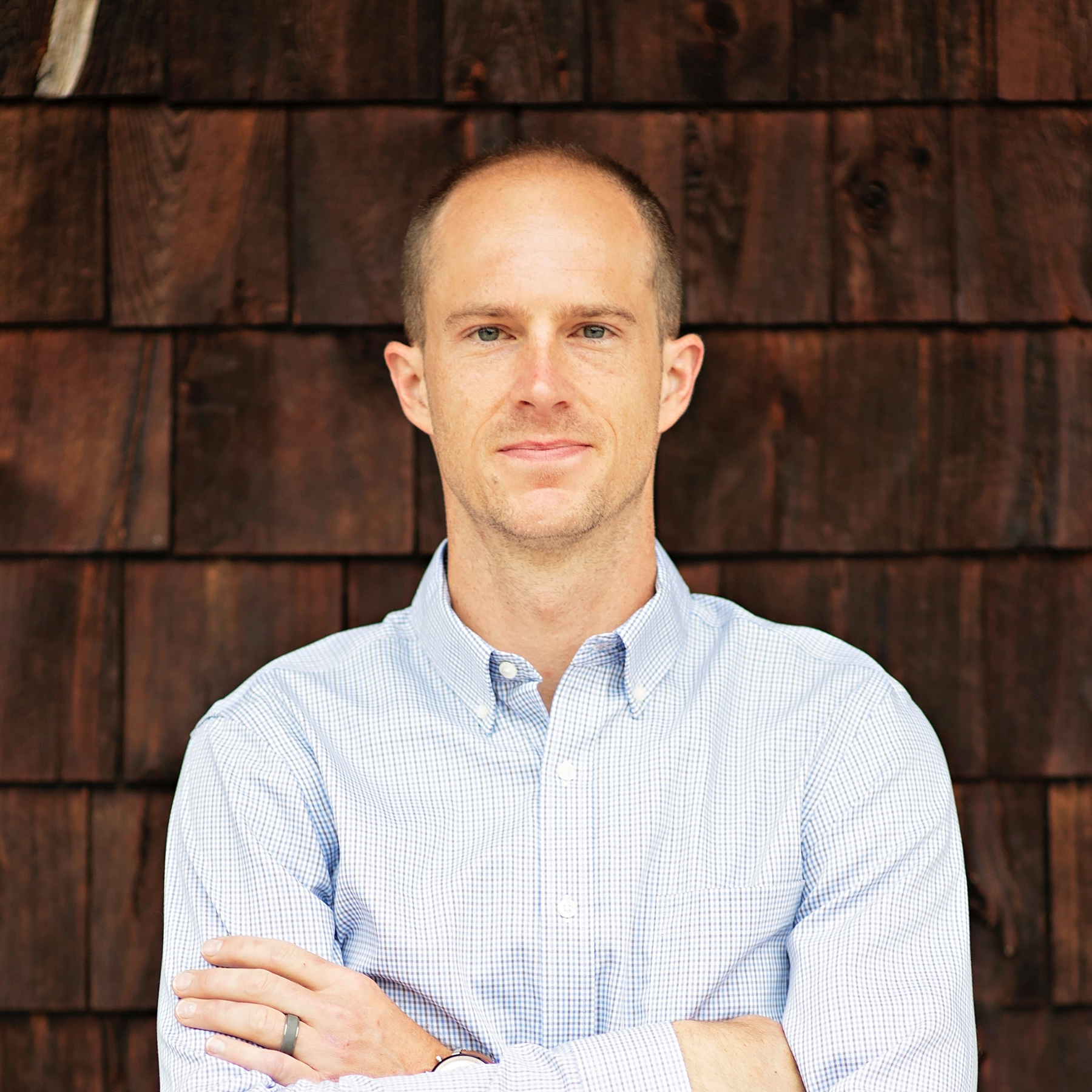
South Carolina ACLU’s Legal Director on Alleged ‘Suppression’ of Incarcerated Voices
The organization is challenging a Department of Corrections policy that it claims violates its First Amendment right to receive and publish the speech of incarcerated people.
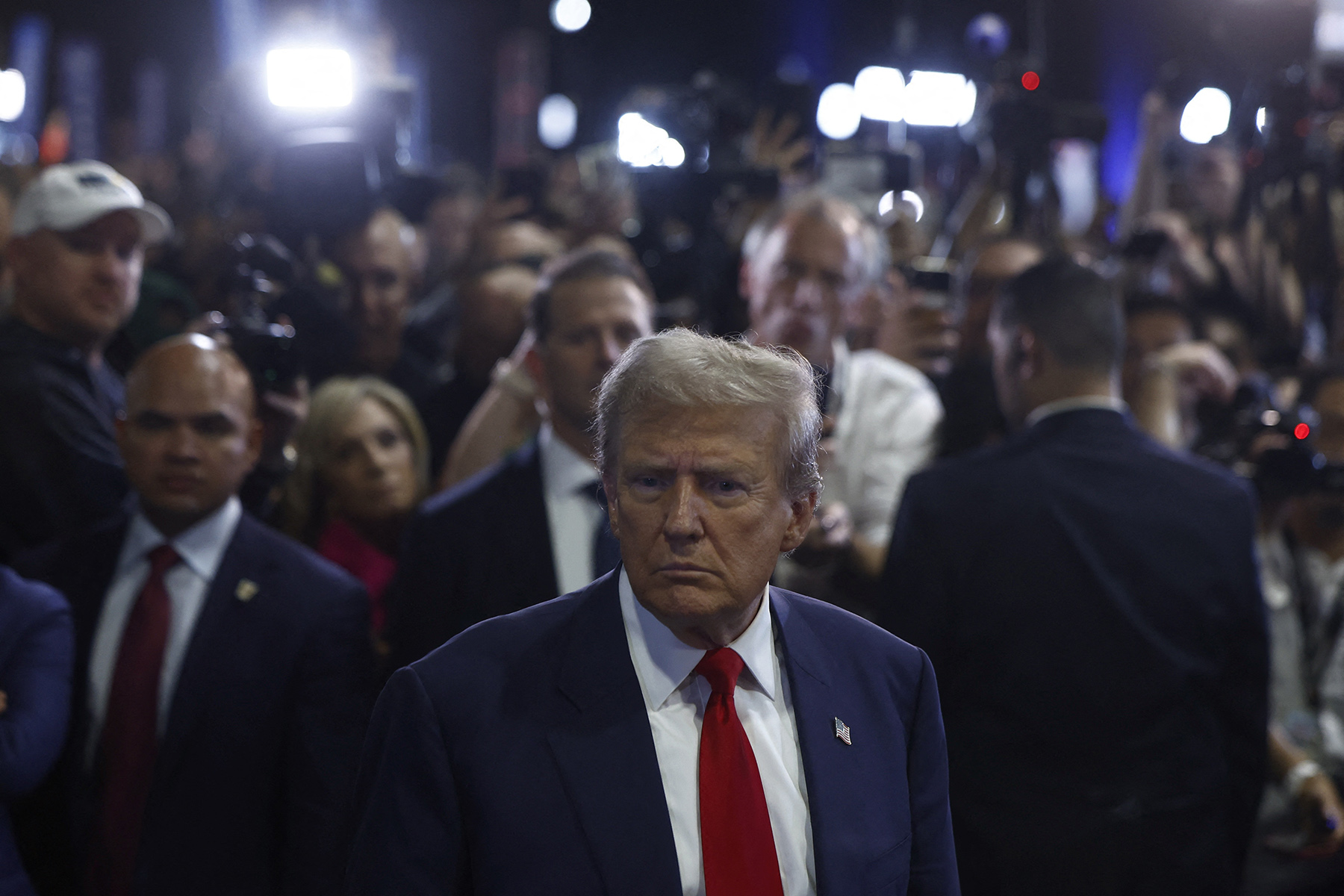
Legal Scholar Tim Zick on the First Amendment in the Trump Era
Zick discussed the First Amendment conflicts that arose under Donald Trump and how those disputes might be reanimated if he’s reelected this November.
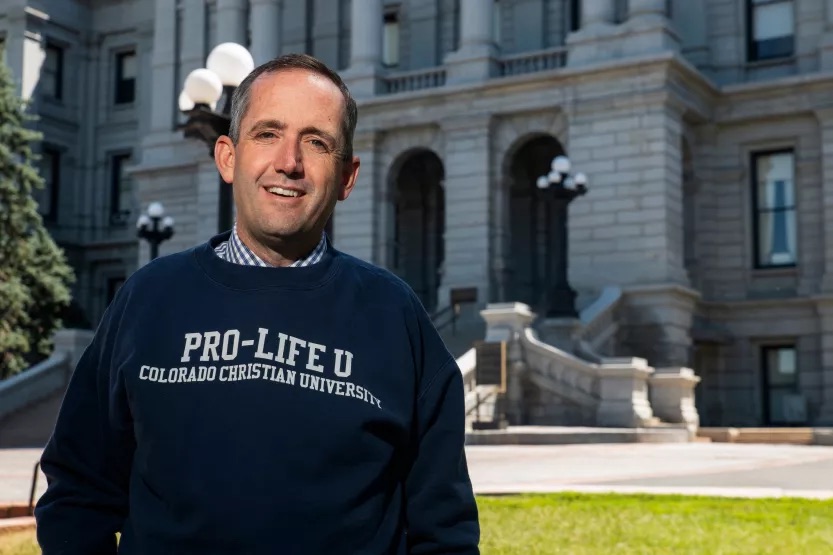
FIRE’s Josh Bleisch on Political Expression in Colorado’s Capitol Senate Gallery
Bleisch explained how the vagueness of a Colorado rule restricting political expression in statehouse galleries can lead to viewpoint discriminatory enforcement.

Attorney Richard Roth on the Defamation Lawsuit Over Netflix’s ‘Baby Reindeer’
In an interview, Richard Roth discussed the allegedly damaging inaccuracies in “Baby Reindeer” and argues his client is a private person.

Does the First Amendment Protect Political Deepfakes? Scholars Weigh In
Two professors discuss the difficulty of enforcing deepfake legislation aimed at regulating false political speech without running afoul of the First Amendment.

Center for Democracy and Technology’s Kate Ruane on the Kids Online Safety Act
Ruane, director of the Center for Democracy and Technology’s Free Expression Project, a nonprofit organization that has expressed its opposition to the bill, discussed KOSA and its First Amendment implications.