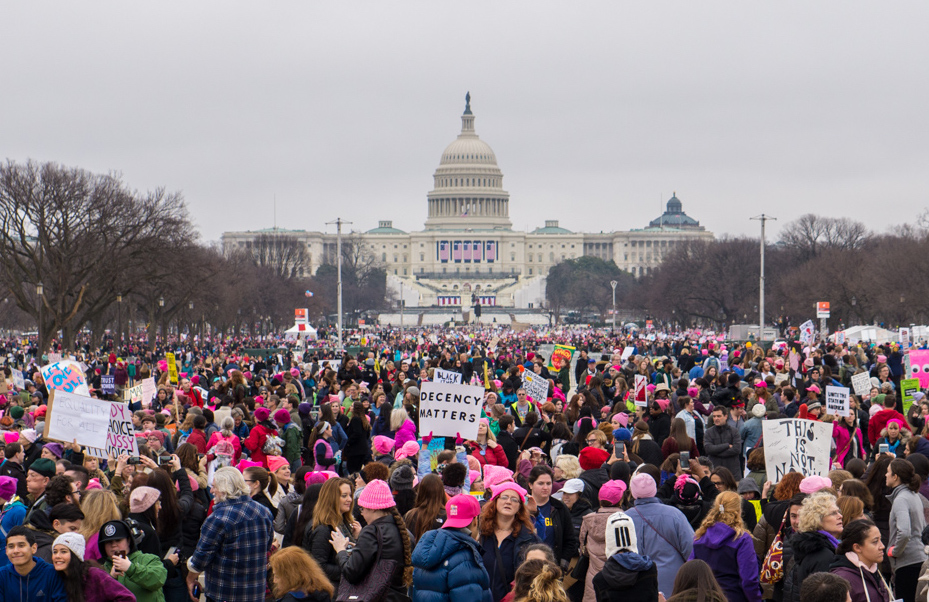
Teacher Guide: The Right to Peacefully Assemble
This teacher guide examines the role peaceful protest has played in United States history, how the law evolved to ensure greater protections for protest, and contemporary threats to assembly rights. It includes information about the civil rights movement, major court cases, and the philosophy of civil disobedience.

Courthouse News Asks Court to Unseal Documents Related to Sen. Purdue’s Business Dealings
In both his 2014 race and current reelection efforts, Purdue has leveraged his experience as a successful business leader of Reebok and Dollar General to win voters’ confidence. Courthouse News reporter Daniel Jackson says he has found information that may paint a more complicated picture of the Senator’s track record.

Supreme Court Considers Federal Computer Fraud and Abuse Law
On November 30th, the United States Supreme Court heard oral arguments in Van Buren vs. United States, a case that could have huge implications for data journalists and cybersecurity researchers. At the heart of the case is the Computer Fraud and Abuse Act, a federal law that press advocates say is too broadly written and can be used to punish journalists for using common newsgathering techniques.
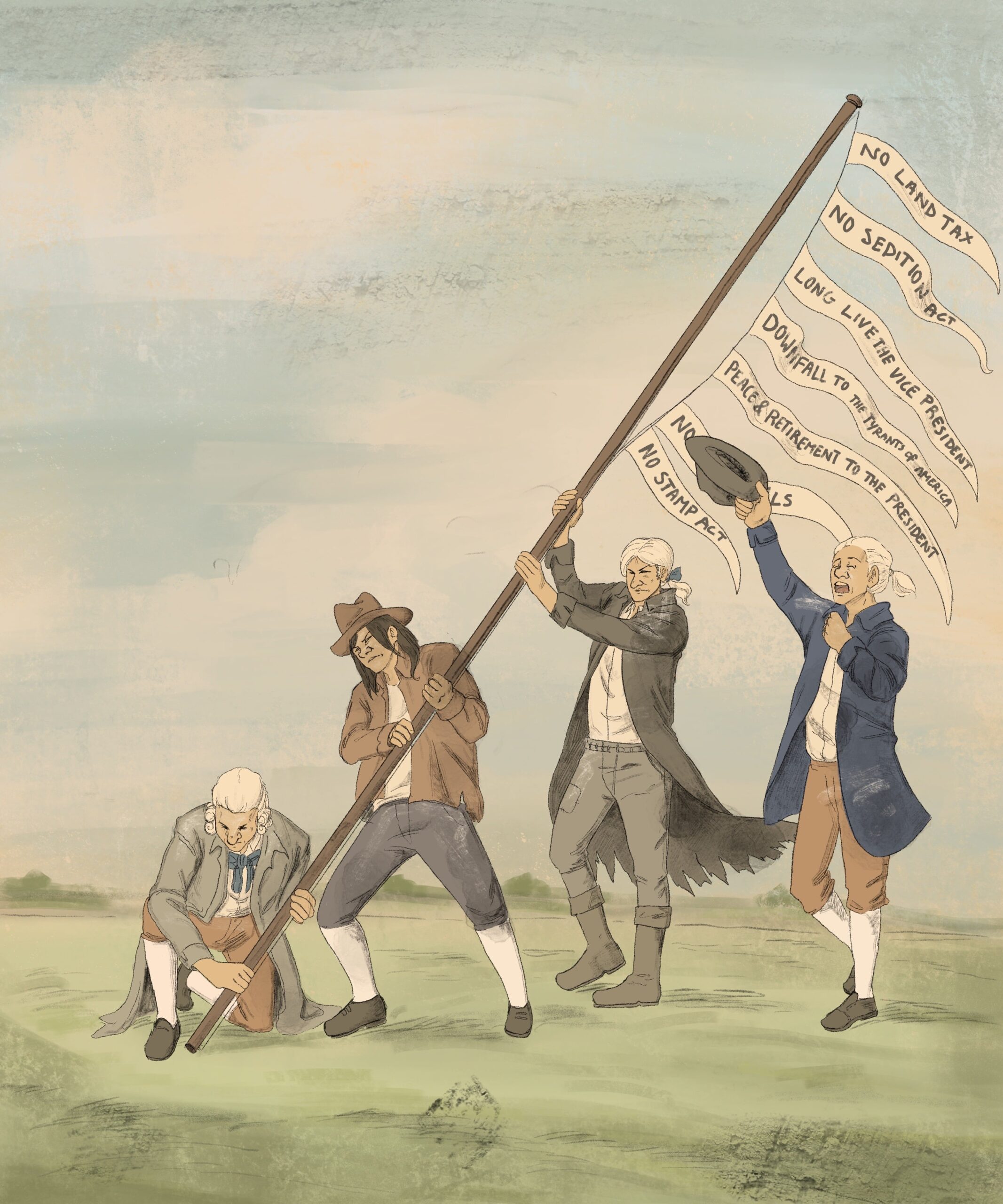
Teacher Guide: The Sedition Act of 1798
The Sedition Act of 1798 was the first great test of the First Amendment’s protection for the freedom of speech and press. Under the new law, Americans could face up to $2,000 in fines (nearly $42,000 in 2020 dollars) and two years in prison for criticizing a public official. Passed only seven years after the ratification of the Bill of Rights, the Sedition Act forced the young country to decide not just whether it was truly dedicated to freedom of speech, but also what that idea would even mean in a democratic republic.
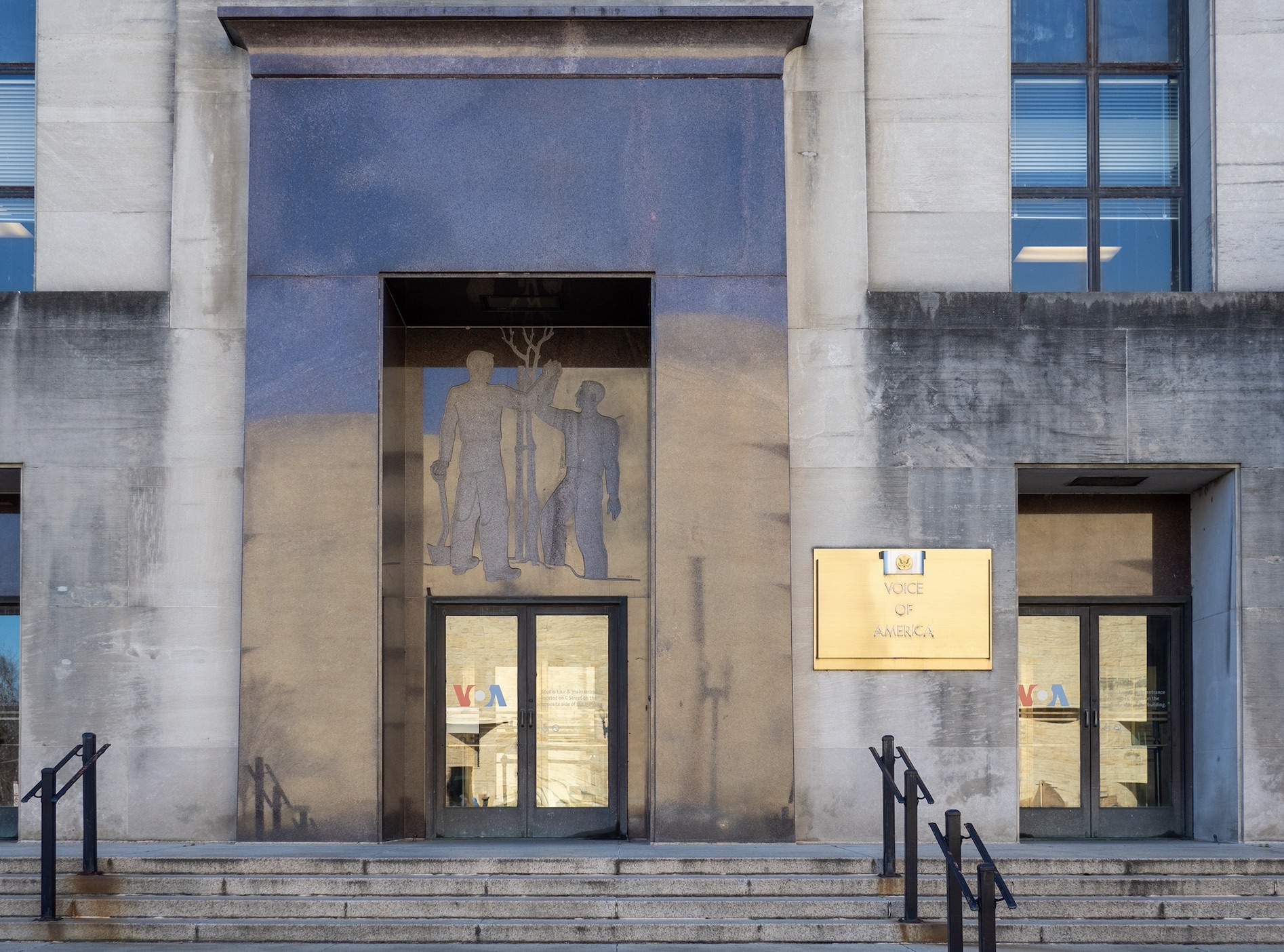
Federal Judge Orders Pack to Stop Interfering in VOA’s Editorial Decisions
Howell did not go as far as to agree that journalists employed by the state are granted all of the same protections as private-sector journalists, but she did reject Pack’s argument that federal journalists have no First Amendment rights. Reporters Committee for Freedom of the Press's Grayson Clary called the ruling a "victory."
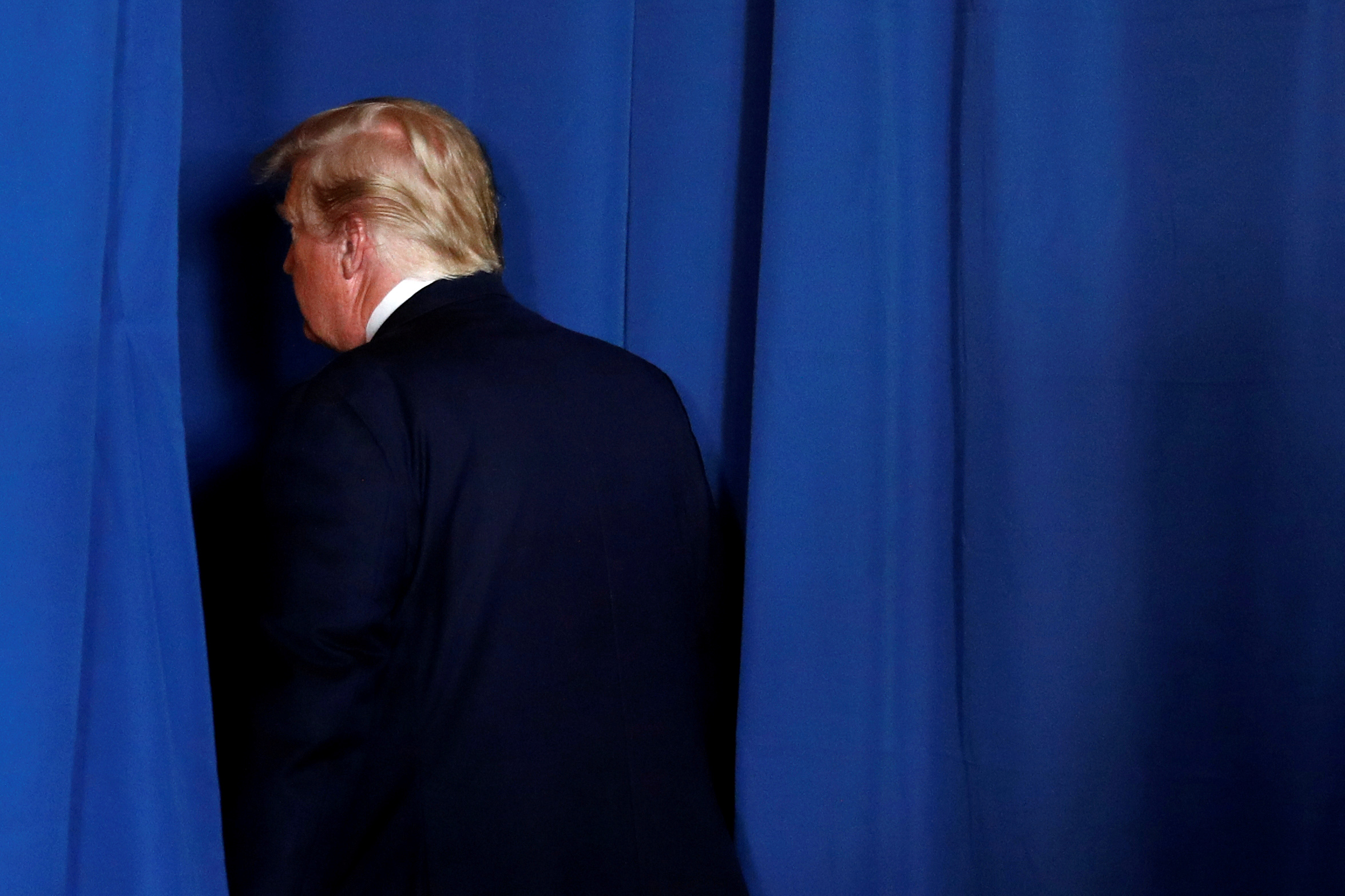
Trump Settles Defamation Lawsuit Against Wisconsin TV Station
President Donald Trump's reelection campaign sued the local broadcast station in April for running an ad that made it seem like the President had called the coronavirus a hoax. The settlement does not include an apology from Trump, but one of the TV station's attorney framed it as a win for local news.
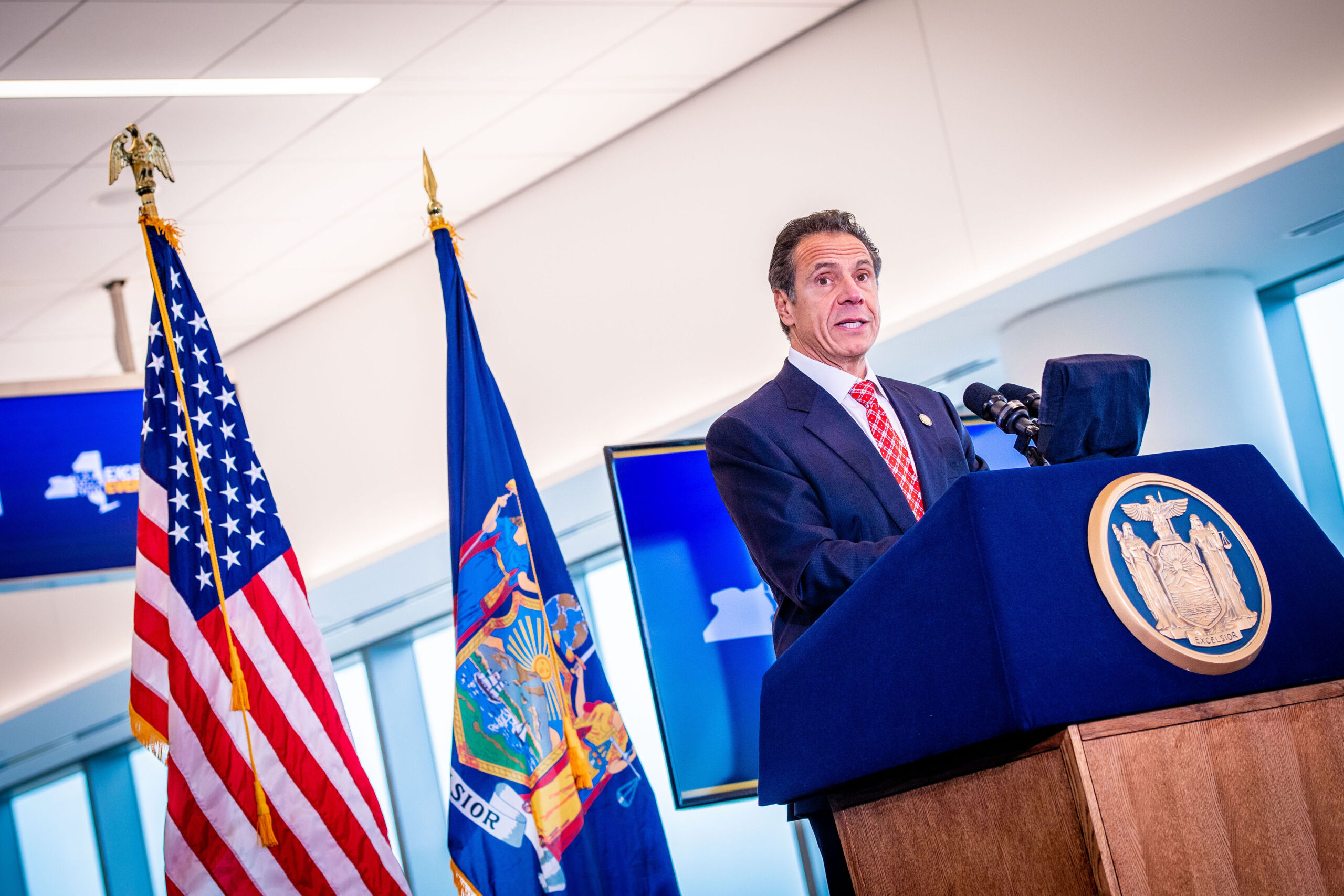
What You Need to Know About New York’s New Anti-SLAPP Law
The new law broadly protects speech on public matters and ensures that defendants targeted with SLAPP lawsuits recover legal fees.

Federal Judge Gives Trump Opportunity to Amend Complaint Against CNN
A federal judge in Atlanta is giving President Donald Trump’s lawyers the opportunity to submit an amended complaint in its libel lawsuit against CNN. Filed in March 2020, the President’s lawsuit alleged that CNN columnist Larry Noble had defamed him in a June 2019 opinion piece when he wrote that “The Trump campaign assessed the potential risks and benefits of again seeking Russia's help in 2020 and has decided to leave that option on the table.”